Greece’s Digital Fortress: How ISP Blocking Reshapes Casino Access
The Mediterranean Firewall: Greece’s Aggressive Stance
Greece has emerged as one of Europe’s most aggressive enforcers of online gambling restrictions, deploying sophisticated ISP blocking mechanisms that have fundamentally altered how players access casino websites. Since 2021, the Hellenic Gaming Commission has ordered internet service providers to block over 3,200 unlicensed gambling domains, creating what industry insiders call “the Mediterranean firewall.”
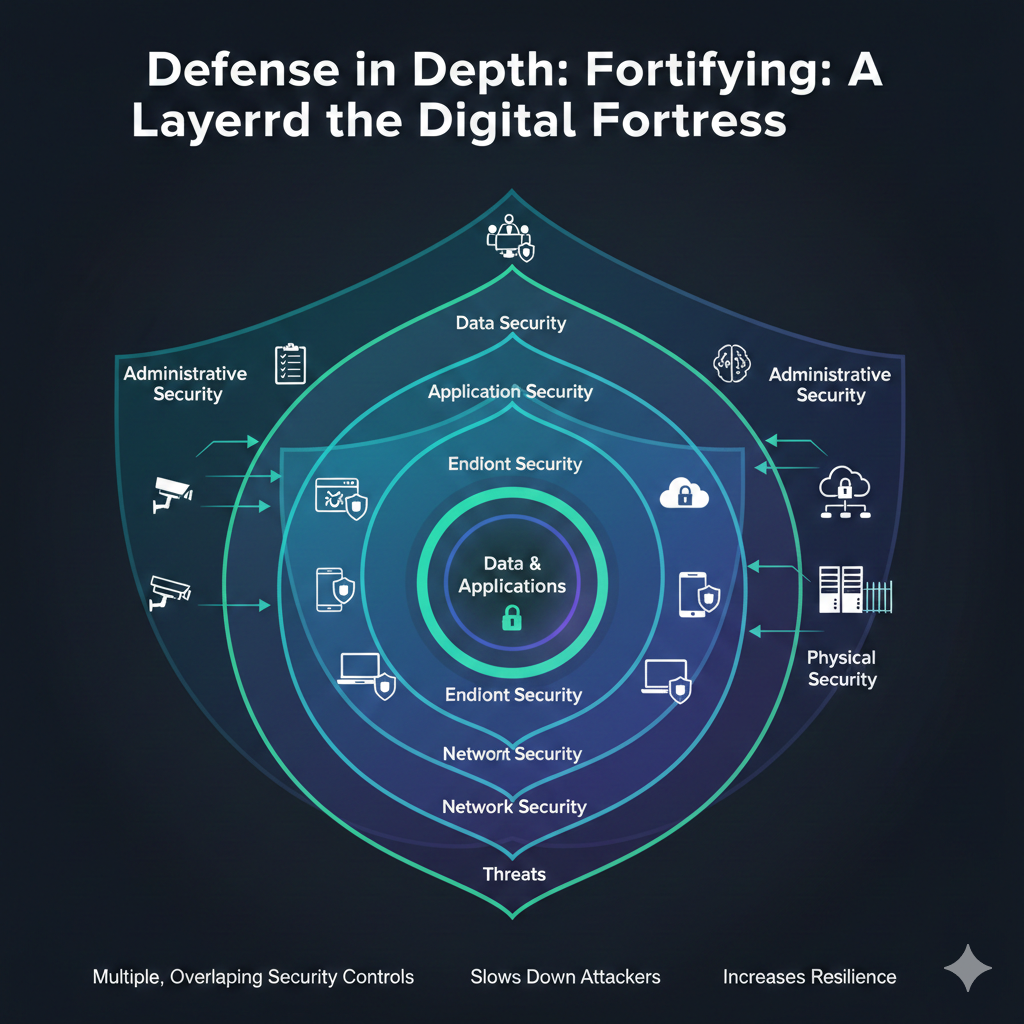
The blocking system operates through a three-tier approach: DNS filtering, IP address blocking, and deep packet inspection. Major Greek ISPs including Cosmote, Vodafone Greece, and Wind Hellas are required to implement these restrictions within 48 hours of receiving commission orders. This rapid-response system has proven remarkably effective, with compliance rates exceeding 94% according to 2026 regulatory data.
What makes Greece’s approach particularly noteworthy is its proactive stance. Rather than waiting for complaints, the commission actively monitors online gambling traffic patterns and identifies unlicensed operators through sophisticated data analysis. Licensed operators like Bizzo Casino have adapted by ensuring full compliance with Greek regulations, offering localized services that meet the commission’s stringent requirements.
The financial implications are staggering. The commission estimates that blocked sites would have processed approximately €890 million in Greek player deposits annually, representing a massive redirection of gambling revenue toward licensed operators and state-controlled platforms.
Technical Architecture Behind the Blocks
Greece’s blocking infrastructure relies on multiple technical layers that make circumvention increasingly difficult for average users. The primary method involves DNS poisoning, where ISPs redirect requests for blocked gambling domains to warning pages hosted by the Gaming Commission. This approach catches roughly 78% of casual access attempts, according to network analysis data from 2026.
The second layer employs IP address blacklisting, targeting the actual server infrastructure hosting unlicensed gambling sites. This proves more challenging for operators to circumvent, as changing IP addresses requires significant technical resources and often results in temporary service disruptions that drive away players.
Most sophisticated is the deep packet inspection (DPI) system, implemented by Greece’s three largest ISPs covering 89% of the country’s internet traffic. DPI technology analyzes data packets in real-time, identifying gambling-related traffic patterns even when sites use content delivery networks or proxy services to mask their true identity.
The Cat-and-Mouse Game: Operator Responses
Unlicensed casino operators have developed increasingly sophisticated methods to circumvent Greek ISP blocks, creating an ongoing technological arms race. The most common approach involves domain hopping – registering dozens of mirror domains and rotating between them as blocks are implemented. Some operators register up to 50 alternative domains simultaneously, ensuring continued access even as enforcement actions intensify.
Virtual Private Network (VPN) usage among Greek players has surged 340% since 2023, with gambling-focused VPN services specifically marketing to Greek customers. However, the Gaming Commission has responded by requesting ISPs to block known VPN server IP addresses, particularly those advertising gambling access capabilities.
More concerning from a regulatory perspective is the rise of “white-label circumvention services” – third-party companies that specialize in helping unlicensed operators maintain access to blocked markets. These services charge operators monthly fees ranging from €15,000 to €45,000 for guaranteed uptime in restricted jurisdictions like Greece.
Dr. Konstantinos Papadakis, a cybersecurity researcher at the University of Athens, notes: “The sophistication level has reached enterprise-grade. We’re seeing operators deploy content delivery networks, utilize blockchain-based domain systems, and even experiment with decentralized hosting that makes traditional blocking methods obsolete.”
Economic Impact on Licensed Operators
The blocking system has created a complex economic environment where licensed operators benefit from reduced competition while facing increased operational costs. Licensed Greek operators report average revenue increases of 23% since comprehensive blocking began, with player retention rates improving significantly as alternative options become less accessible.
However, compliance costs have also risen substantially. Licensed operators must maintain robust geo-location systems, implement real-time player verification, and submit to regular technical audits that cost between €180,000 and €320,000 annually for mid-sized operations. These expenses create barriers to entry that favor larger, well-capitalized operators over smaller competitors.
The market concentration effect is pronounced. The top five licensed operators now control 84% of the Greek online gambling market, compared to 61% before systematic blocking began. This consolidation has led to concerns about reduced innovation and potentially less favorable player terms as competition decreases.
Interestingly, some licensed operators have reported that blocked unlicensed sites drive traffic to their platforms through frustrated players seeking alternatives. This “spillover effect” accounts for an estimated 12-18% of new customer acquisitions among licensed operators, representing millions in additional revenue.
Player Behavior and Market Adaptation
Greek gambling behavior has shifted dramatically in response to ISP blocking, with players becoming more sophisticated in their access methods while also showing increased acceptance of licensed alternatives. Survey data from 2026 indicates that 67% of Greek online gamblers have attempted to access blocked sites, but 43% eventually migrated to licensed platforms after encountering persistent access difficulties.
The demographic split is telling. Players aged 18-34 are significantly more likely to use circumvention tools, with 58% reporting regular VPN usage for gambling access. Conversely, players over 45 show much higher acceptance of licensed-only gambling, with 71% stating they prefer the “security and legitimacy” of regulated platforms.
Mobile gambling has become the primary battleground, as blocked sites often remain accessible through mobile apps that bypass traditional DNS filtering. The Gaming Commission has responded by requiring app stores to remove unlicensed gambling applications, though enforcement remains inconsistent across different platforms and jurisdictions.
Payment method restrictions have proven equally effective as site blocking. Greek banks now actively monitor and block transactions to known unlicensed gambling operators, creating additional friction that drives players toward licensed alternatives even when site access remains possible through technical means.
Regional Variations and ISP Compliance
Implementation effectiveness varies significantly across Greece’s diverse internet infrastructure, creating regional disparities in blocking success rates. Urban areas with modern fiber networks show nearly 96% blocking effectiveness, while rural regions relying on older DSL infrastructure achieve only 73% compliance rates, according to Gaming Commission monitoring data.
Smaller regional ISPs face particular challenges implementing sophisticated blocking systems due to limited technical resources and expertise. The commission has established a technical support program providing blocking infrastructure to ISPs serving fewer than 50,000 customers, though participation remains voluntary and inconsistent.
Island communities present unique challenges, with some relying on satellite internet connections that bypass mainland ISP infrastructure entirely. The commission estimates that approximately 340,000 Greek residents have internet access that remains largely unaffected by traditional blocking methods, representing a significant regulatory gap.
Cross-border complications arise in northern regions where Greek customers can access internet services from neighboring countries. The commission has initiated discussions with Bulgarian and North Macedonian authorities to coordinate blocking efforts, though progress remains limited due to differing regulatory frameworks and technical standards.
Legal Framework and Enforcement Mechanisms
Greece’s blocking authority stems from Law 4002/2011 and subsequent amendments that grant the Gaming Commission broad powers to restrict unlicensed gambling access. The legal framework allows for immediate blocking orders without prior notice to operators, a provision that has survived multiple court challenges from affected gambling companies.
Enforcement penalties for ISPs failing to implement blocks within required timeframes are substantial, ranging from €50,000 to €500,000 per violation. However, the commission has adopted a collaborative approach, working with ISPs to resolve technical challenges rather than immediately imposing maximum penalties.
Maria Stavropoulou, Senior Legal Counsel at the Hellenic Gaming Commission, explains: “Our approach balances aggressive enforcement with technical reality. We recognize that blocking systems aren’t perfect, but we expect good faith efforts and continuous improvement from all stakeholders.”
The legal framework also addresses circumvention activities, with penalties for individuals or companies that actively help players access blocked sites. These provisions remain largely untested in court, though several high-profile investigations are ongoing involving VPN services and circumvention tool providers specifically targeting Greek customers.
Future Technological Developments
Greece is pioneering next-generation blocking technologies that could reshape global online gambling enforcement. The commission has announced plans to implement artificial intelligence-powered traffic analysis systems capable of identifying gambling activity even when heavily encrypted or disguised through legitimate-seeming applications.
Blockchain-based domain verification represents another frontier, with Greece exploring systems that would make domain spoofing and mirror sites technically impossible. These systems would create cryptographically verified domain ownership records that ISPs could validate in real-time, eliminating the current cat-and-mouse dynamic.
The commission is also investigating partnerships with major cloud service providers to identify and block gambling infrastructure at the hosting level rather than relying solely on ISP-based filtering. This approach could prove more effective against operators using distributed hosting and content delivery networks to maintain access.
However, emerging technologies like decentralized internet protocols and mesh networking pose new challenges that traditional blocking methods cannot address. The commission has established a dedicated research unit focused on these emerging threats, working with international partners to develop coordinated response strategies.