Germany’s Legal Casino Market vs Offshore Giants: Inside Story
The €2.3 Billion Question: Why German Players Still Look Elsewhere
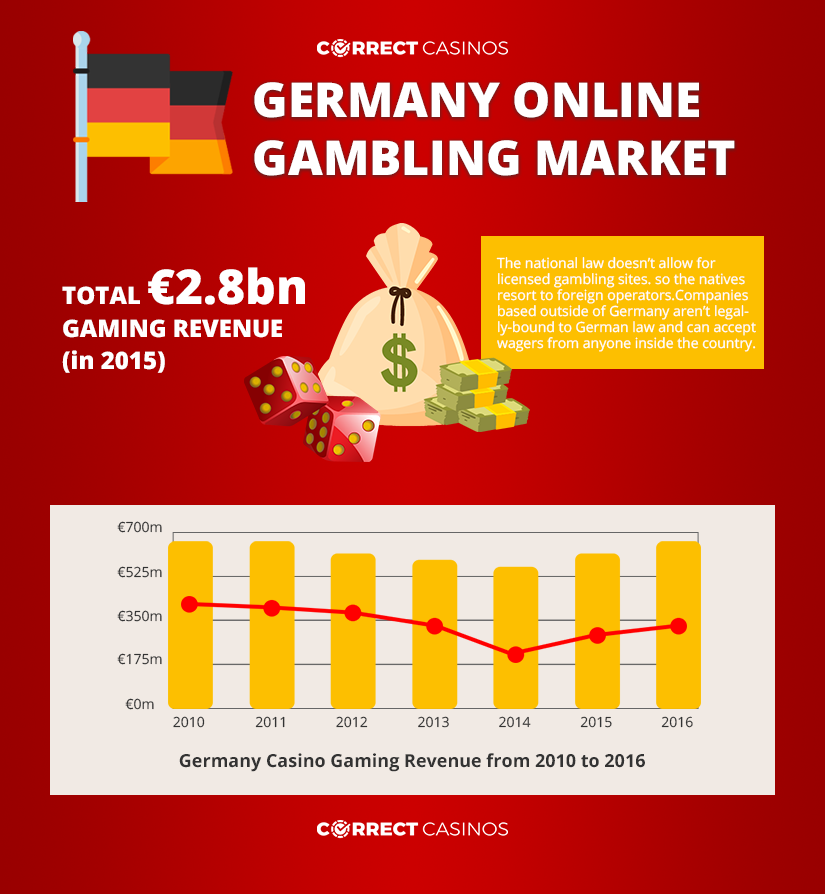
Germany’s regulated online casino market, officially launched in July 2021, generated €2.3 billion in gross gaming revenue by 2025. Yet despite this impressive figure, approximately 40% of German players continue accessing offshore operators. This paradox reveals fundamental tensions between regulatory intentions and player expectations that define modern European gambling markets.
The Glücksspielstaatsvertrag (Interstate Treaty on Gambling) created a legal framework designed to channel players toward licensed operators. However, the reality is far more complex. While platforms like National Casino login operate under Curacao licensing and continue attracting German players with extensive game libraries and higher bonus limits, domestic operators face restrictions that often feel punitive rather than protective.
Dr. Andreas Weber, gambling policy analyst at the University of Hamburg, explains: “The German market represents a fascinating case study in regulatory overreach. By imposing €1 per spin limits and mandatory 5-second intervals between spins, regulators created conditions where legal operators struggle to compete with the user experience offered by offshore alternatives.”
The Bonus Battlefield: Where Legal Markets Fall Short
German-licensed operators face severe restrictions on promotional activities. Welcome bonuses are capped at €100, reload bonuses are prohibited, and loyalty programs must comply with stringent anti-addiction measures. These limitations create a stark contrast with offshore operators offering welcome packages worth thousands of euros.
Data from the German Gaming Association reveals that 73% of players cite “better bonus offers” as their primary reason for choosing unlicensed operators. This statistic underscores a critical flaw in the regulatory approach: by severely limiting promotional tools, regulators inadvertently push players toward unregulated alternatives.
The irony deepens when considering that offshore operators often provide more comprehensive responsible gambling tools than mandated minimums. Many Curacao-licensed casinos offer deposit limits, reality checks, and self-exclusion options that exceed German regulatory requirements, challenging the narrative that regulation automatically equals player protection.
Slot Machine Restrictions: Innovation vs. Protection
Perhaps no aspect of German gambling regulation generates more controversy than slot machine restrictions. The €1 maximum stake and 5-second spin intervals were designed to reduce addiction risk, but they’ve fundamentally altered the gaming experience in ways that extend beyond simple harm prevention.
High-volatility slots, which form the backbone of modern online casino entertainment, become nearly unplayable under these restrictions. Progressive jackpots lose their appeal when maximum contributions are artificially limited. The result is a gaming environment that feels sanitized to the point of sterility.
Industry veteran Maria Schneider, former head of product development at a major German operator, notes: “We’ve created a market where the most exciting games are effectively banned. Players seeking authentic slot experiences naturally gravitate toward offshore operators who offer unrestricted access to the latest titles from NetEnt, Pragmatic Play, and other leading developers.”
Payment Processing: The Achilles’ Heel of Offshore Operations
While offshore operators excel in game variety and bonuses, payment processing remains their primary vulnerability in the German market. Licensed operators benefit from seamless integration with German banking systems, offering instant deposits and withdrawals through familiar methods like Sofortüberweisung and Giropay.
Offshore operators typically rely on e-wallets, cryptocurrency, or international payment processors that add friction to the user experience. Recent data shows that 34% of German players abandon offshore casino registrations due to payment complications, representing a significant competitive advantage for licensed operators.
However, this advantage is eroding as offshore operators adapt. Many now offer localized payment solutions, and the growing acceptance of cryptocurrency provides an alternative that bypasses traditional banking restrictions entirely.
Market Fragmentation: Regional Variations Within Germany
Germany’s federal structure creates additional complexity, as individual states maintain some autonomy over gambling regulation. Bavaria’s stricter interpretation of federal guidelines contrasts sharply with North Rhine-Westphalia’s more liberal approach, creating a patchwork of enforcement that confuses players and operators alike.
This fragmentation benefits offshore operators who can market uniformly across all German states without navigating regional variations. Licensed operators must tailor their approaches to different state requirements, increasing operational costs and complexity.
Recent survey data indicates that players in stricter states are 23% more likely to use offshore operators, suggesting that overly restrictive regional policies may backfire by driving players toward unregulated alternatives.
The Technology Gap: Innovation Under Regulation
Licensed German operators face technological constraints that extend beyond game restrictions. Live dealer offerings must comply with specific studio requirements, virtual reality gaming remains largely prohibited, and AI-powered personalization tools face privacy restrictions that limit their effectiveness.
Offshore operators leverage cutting-edge technology without these constraints. They offer immersive VR casino experiences, sophisticated AI-driven game recommendations, and innovative features like social gaming integration that licensed operators cannot match.
The technological disparity is particularly evident in mobile gaming, where offshore operators consistently outperform licensed alternatives in user experience metrics. App store ratings for major offshore casino apps average 4.2 stars compared to 3.6 stars for licensed German operators, reflecting this technology gap.
Financial Flows: Following the Money Trail
Despite regulatory efforts, financial analysis reveals that German players transferred approximately €890 million to offshore gambling operators in 2025. This figure represents money leaving the German economy, avoiding local taxation, and operating outside consumer protection frameworks.
The tax implications are significant. Licensed operators contribute 5.3% of gross gaming revenue to German coffers, while offshore operators typically pay no German taxes. This revenue loss undermines the economic rationale for creating a regulated market in the first place.
Banking data shows interesting patterns in player behavior. High-value players (those wagering over €500 monthly) are disproportionately represented among offshore operator users, suggesting that the most profitable customers are precisely those being driven away by regulatory restrictions.
Future Trajectories: Evolution or Revolution?
The German gambling market stands at a crossroads. Regulatory authorities face pressure to relax restrictions that clearly aren’t achieving their intended goals, while maintaining the integrity of the licensing system they’ve created.
Early indicators suggest gradual liberalization may be coming. The recent decision to allow poker tournaments with buy-ins exceeding previous limits signals potential flexibility in regulatory thinking. However, fundamental issues around slot restrictions and bonus limitations remain contentious.
Market analysts predict that successful resolution requires acknowledging that overly restrictive regulation often proves counterproductive. The most effective gambling regulation balances player protection with market viability, ensuring that legal operators can compete effectively with offshore alternatives.
The German experience offers valuable lessons for other European markets considering similar regulatory approaches. The evidence suggests that regulation succeeds when it enhances rather than restricts the player experience, channeling natural gambling demand toward properly supervised and taxed operators rather than driving it underground or offshore.